
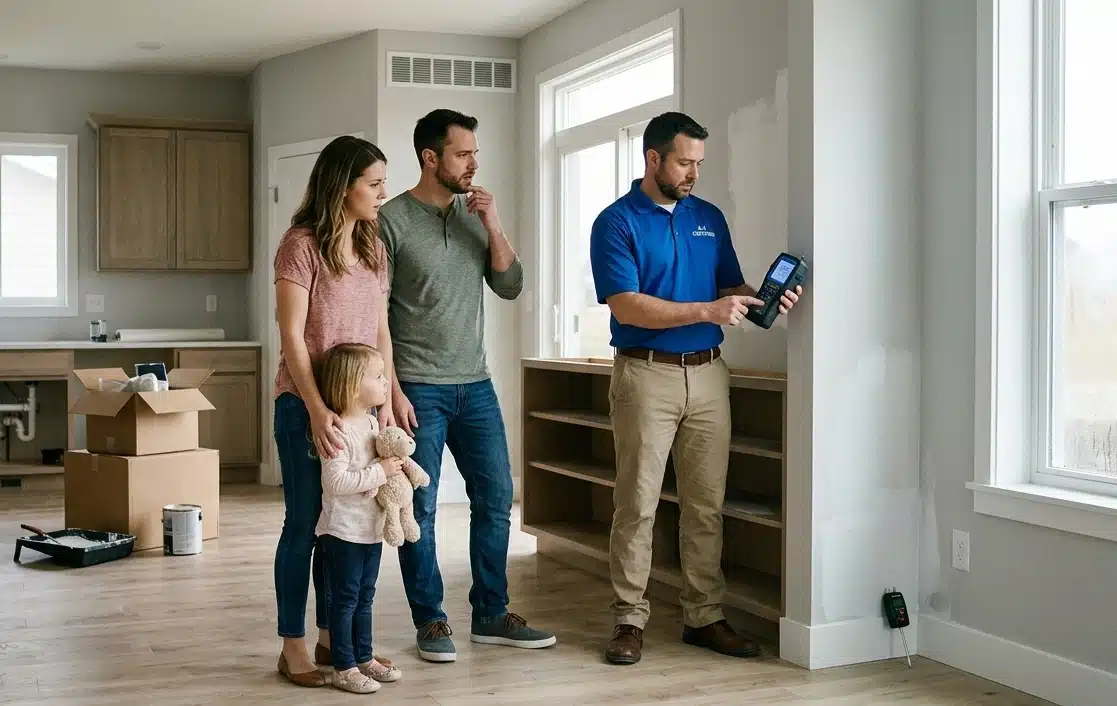
Building a new home is exciting, but many homeowners are surprised to find poor indoor air quality in new homes. Even modern construction can trap pollutants, chemicals, and moisture, creating air quality problems. Understanding the causes can help you take action early to protect your family. Companies like A 1 Certified Environmental Services specialize in assessing and improving indoor air quality in new builds.
Why Poor Indoor Air Quality in New Homes Happens
New construction often involves materials that release volatile organic compounds (VOCs). Paints, adhesives, flooring, and cabinetry can emit gases for months after installation. Without proper ventilation, these VOCs accumulate and affect your home’s air quality.
Even well-sealed, energy-efficient homes can trap these pollutants. Lack of airflow and closed windows make it harder for harmful particles to escape. Professional guidance, such as indoor air quality testing in Oakland, can identify areas where ventilation improvements are needed.
Moisture is another silent contributor. Construction often leaves hidden damp spots in basements, crawl spaces, or behind walls. Over time, this can lead to mold growth, which releases spores that further reduce air quality. Services like mold testing in the San Francisco region can uncover these issues early.
Reasons New Homes Can Have Poor Indoor Air Quality
Several factors explain why indoor air quality problems in new builds persist.
- VOCs in new homes affecting air quality: Many materials used during construction release VOCs, including flooring, insulation, and paint. These chemicals can irritate the respiratory system and trigger allergies.
- Ventilation issues in new houses: Modern energy-efficient homes are tightly sealed, limiting natural airflow. Without proper ventilation systems, pollutants accumulate quickly.
- Mold and dampness in new constructions: Water leaks, condensation, or construction moisture can create the perfect environment for mold growth, contributing to poor air quality.
Homeowners often underestimate the long-term impact of these hidden pollutants. Early professional assessment is key to resolving problems before they affect health and comfort.
How New Construction Affects Indoor Air Quality
Construction choices directly influence air quality. Some builders use materials that off-gas VOCs or fail to include adequate ventilation. HVAC systems may be underperforming or not balanced correctly, causing uneven airflow.
Even with modern standards, new homes can develop moisture pockets behind walls or under flooring. These areas become breeding grounds for mold, which affects air quality for years if unchecked. Investing in indoor air quality and VOC testing in Fresno and Bakersfield ensures that your new home is safe and healthy from day one.
Steps to Improve Air Quality in New Homes
- Schedule professional testing for VOCs, mold, and particulate matter.
- Improve ventilation by installing or upgrading exhaust fans, air exchangers, or filters.
- Address any leaks or dampness immediately to prevent mold growth.
- Use low-VOC paints, adhesives, and finishes in future renovations.
Regular monitoring can prevent indoor air quality problems from escalating, ensuring a safe and comfortable environment for your family.
Closing Thoughts
Even newly built homes can experience poor indoor air quality in new homes due to hidden VOCs, moisture, or ventilation issues. Addressing these challenges early is essential. For expert guidance, consider consulting A-1 Certified Environmental Services and taking steps today to improve your home’s air quality.
By combining professional testing with preventive measures, homeowners can significantly reduce risks and enjoy a healthier living environment in their new homes.
FAQ
Q1: Why do new homes have poor air quality?
A1: Even new homes can trap VOCs from construction materials, have hidden dampness, and lack proper ventilation.
Q2: How can I test air quality in a new home?
A2: Professional services offer indoor air quality testing, VOC detection, and mold inspections.
Q3: Can ventilation solve air quality issues completely?
A3: Improving ventilation helps, but addressing VOC sources and mold is also necessary for lasting results.
Q4: Are VOCs harmful in new homes?
A4: Yes, long-term exposure can trigger respiratory issues, headaches, and allergies, making testing important.