
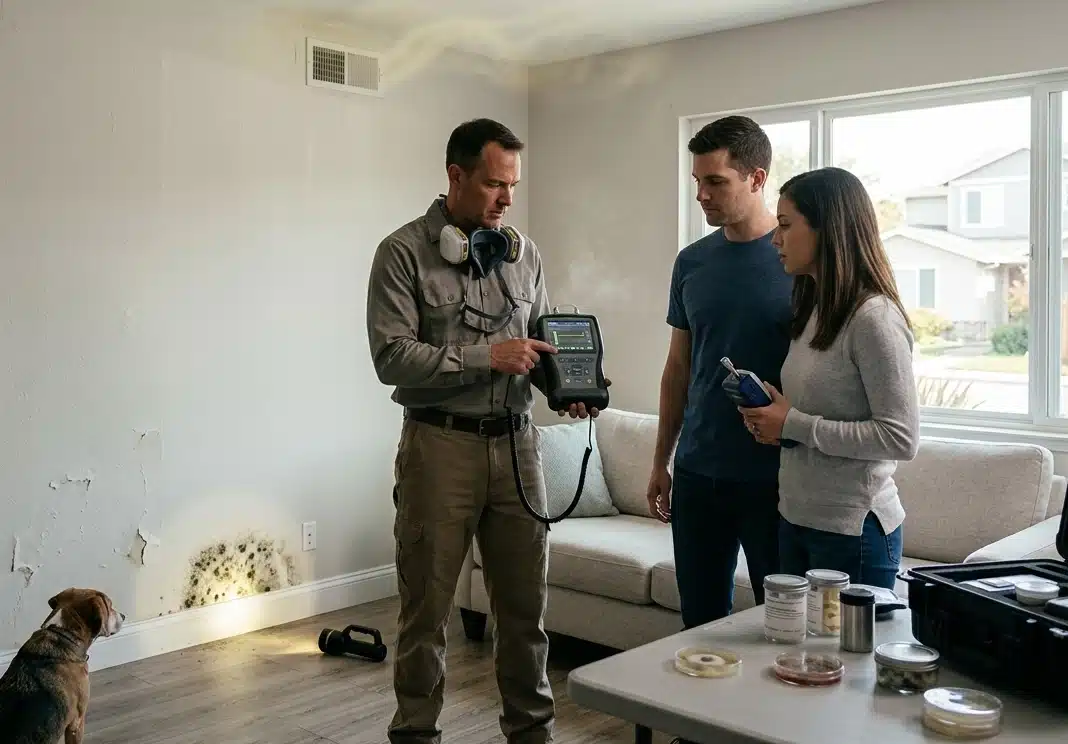
Indoor environments can sometimes hide risks that affect health, comfort, and safety. Many homeowners and building managers overlook potential threats, from unseen mold to invisible gases. Understanding environmental hazards in indoor spaces helps prevent health issues and ensures safer living and working environments. Trusted services like A-1 Certified Environmental Services provide expert testing and solutions to keep your indoor spaces safe.
Indoor hazards don’t always show obvious signs. Subtle problems like poor ventilation or minor water leaks can escalate over time, impacting the quality of air and the wellbeing of occupants. Early detection and professional evaluation are essential.
Environmental Hazards in Indoor Spaces
Many indoor spaces face risks that can compromise air quality, structural safety, and overall health. Environmental hazards in indoor spaces include chemical pollutants, biological threats, and physical risks. Identifying and addressing these hazards is critical in homes, offices, and public buildings.
Poorly maintained areas can accumulate dust, allergens, and chemical residues. Regular testing, like indoor air quality testing, helps pinpoint specific problems before they worsen.
Another common risk is chemical exposure. Substances like volatile organic compounds (VOCs) can come from paint, cleaning products, or building materials. Long-term exposure to VOCs can trigger headaches, allergies, or respiratory issues. Professional evaluation, such as VOC testing, ensures these hazards are identified and mitigated effectively.
Common Environmental Hazards That Affect Indoor Spaces
Some of the most frequent hazards that impact indoor air quality and health include:
- Mold and Mildew Indoor Hazards: Persistent damp areas create mold growth that triggers allergies, asthma, and other respiratory issues. Testing and remediation services like mold testing are key to safe indoor environments.
- Asbestos Exposure in Buildings: Older buildings may contain asbestos in insulation, ceiling tiles, or flooring. Disturbance can release fibers into the air, requiring professional handling and testing.
- Radon Gas Hazards Indoors: Radon, an odorless and invisible gas, can seep through foundations and accumulate indoors. Long-term exposure increases lung cancer risk. Detecting radon through professional testing is essential.
- Indoor Air Pollution Sources: Smoke, pet dander, chemical cleaners, and off-gassing furniture all contribute to indoor air pollution. Evaluating and controlling these sources improves overall air quality.
Addressing these hazards often requires a combination of professional testing, remediation, and continuous monitoring.
How Environmental Hazards Impact Indoor Air Quality
Indoor environmental risks in homes and buildings directly affect the air people breathe. Pollutants such as mold spores, chemical vapors, and particulate matter reduce air quality and can trigger health issues ranging from minor allergies to serious respiratory conditions.
Unaddressed water leaks, poor ventilation, or old building materials create hotspots for hazards. Professional indoor air quality testing services can measure these pollutants, providing actionable data for remediation.
Air quality monitoring should be part of a proactive maintenance strategy. By combining testing with preventive measures like cleaning, proper ventilation, and hazard mitigation, property owners can significantly reduce indoor environmental risks.
Prevention and Remediation Strategies
Preventing indoor hazards starts with awareness. Homeowners and building managers should regularly inspect for water damage, cracks, and areas prone to poor ventilation.
For hazards like mold or chemical pollutants, professional remediation is crucial. Services like mold testing in Riverside and VOC testing in Torrance help eliminate risks efficiently.
Implementing air scrubbers, proper HVAC maintenance, and moisture control reduces future hazards. Air quality inspection professionals offer solutions designed to maintain safe and healthy indoor environments year-round.
Closing Thoughts
Understanding and mitigating environmental hazards in indoor spaces is vital for health and comfort. From mold and mildew to radon and chemical pollutants, early detection and professional testing prevent long-term problems. Prioritizing indoor air quality keeps homes and workplaces safe for everyone.
If you suspect hidden hazards or want to maintain optimal air quality, consult a-1certifiedenvironmentalservices today. Professional evaluation and testing ensure that your indoor environment remains healthy and hazard-free.
FAQs
Q: What are common signs of indoor environmental hazards?
A: Musty odors, respiratory irritation, water damage, visible mold, or unusual dust accumulation are key indicators.
Q: How often should indoor air quality be tested?
A: Testing every 1–2 years is recommended, or sooner if issues like leaks or renovations occur.
Q: Can mold and VOCs affect children and pets?
A: Yes, young children, elderly, and pets are more susceptible to respiratory and allergic reactions.
Q: Are all indoor pollutants visible?
A: No, gases like radon and some VOCs are invisible, making professional testing essential.
Q: Can I remediate hazards myself?
A: Minor issues like small leaks can be managed, but mold, asbestos, and radon require professional intervention.