
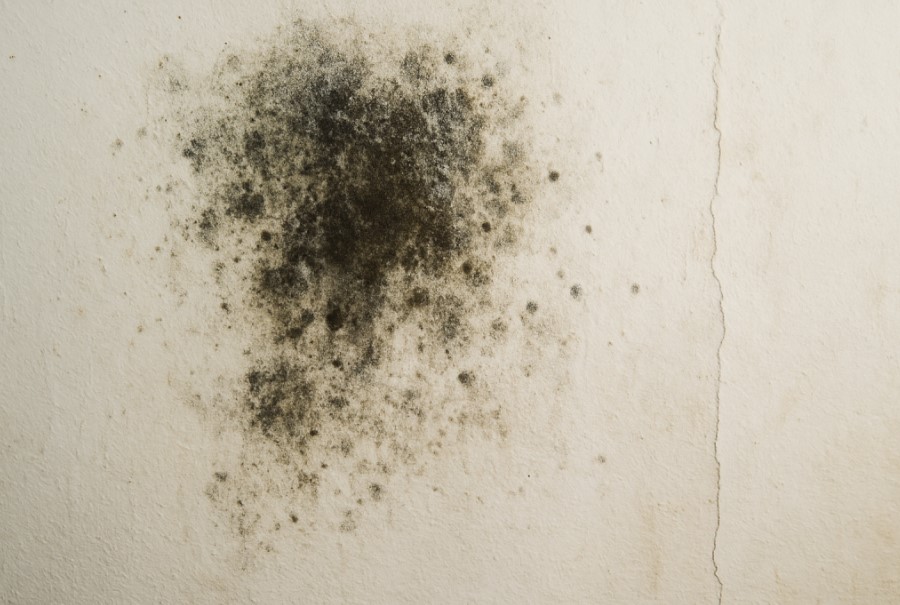
There are a few warning signs that can help you spot black mold early. The most common clues include dark, suspicious-looking spots, areas that feel unusually damp, and a strong musty smell. You might also notice signs of moisture problems like water stains, peeling paint, or bubbling wallpaper. In some cases, you may even experience unexplained health symptoms such as coughing, sneezing, or headaches.
Visual and Sensory Clues
A musty odor:
This is often the very first thing people notice. Black mold gives off a damp, earthy smell—similar to wet dirt or rotting leaves. You’ll usually pick it up in bathrooms, basements, laundry rooms, or anywhere humidity tends to build up.
Dark spots or stains:
Mold often shows up as dark patches—black, greenish-black, or even dark gray. Depending on how long it has been there, the patches might look fuzzy, slimy, or simply like discoloration on the wall.
Signs of water damage:
If you see peeling or bubbling paint, water stains, or warped surfaces, there’s a good chance moisture has been present long enough for mold to grow.
Damp areas:
Touch areas around sinks, windows, or basement walls. If they feel damp or cool, that extra moisture can be a perfect breeding ground for mold.
Places to Check
Moisture-prone areas:
Pay extra attention to bathrooms, kitchens, basements, laundry rooms, and anywhere plumbing is located. Mold thrives where water is consistently present.
Poorly ventilated spots:
Corners of rooms, behind furniture, closets, and around windows don’t always get good airflow. These hidden areas are common mold hotspots.
Possible Health Symptoms
Allergic reactions:
If you or someone in your home is sneezing, coughing, feeling congested, or dealing with a lingering sore throat—especially when you’re inside—it may be a reaction to mold.
Other symptoms:
Some people may experience headaches, fatigue, or worsening asthma-like symptoms when mold is present.
Q&A
What is the most accurate way to test for mold?
The most reliable way to test for mold is to take samples of the suspected growth and send them to a certified laboratory. Lab testing can identify the exact type of mold and help determine how serious the issue is.
How can I tell if mold is making me sick?
There’s no single test that works for everyone. The best approach is to talk with your doctor, explain your symptoms, and let them run the appropriate tests. They can help determine whether mold exposure is contributing to how you’re feeling.
Do air purifiers help with mold?
Air purifiers can help reduce mold spores floating in the air, which may ease allergy symptoms. However, they can’t remove mold growing on surfaces. If you have an active mold problem, it’s important to address the source and consider professional remediation.
How quickly can black mold exposure make someone sick?
It varies from person to person. Some people may notice symptoms right away, while others may take days or even weeks to react. Factors like allergies, asthma, and overall sensitivity play a big role.
What symptoms does mold exposure cause?
Symptoms can differ widely. Some people experience mild irritation—such as sneezing, itchy eyes, or a runny nose—while others may have stronger reactions like headaches, fatigue, or breathing difficulties. If you notice ongoing symptoms, it’s a good idea to speak with a healthcare professional.
How can I tell if my home is making me sick?
There’s no simple yes-or-no test, but your doctor can help you figure out whether your symptoms could be related to mold or other environmental factors. If you’re concerned, a professional home inspection may also be helpful.
What does black mold smell like?
Black mold often has a strong, musty odor—similar to damp soil or rotting leaves. Sometimes the smell can even be slightly sweet or sour. If you notice persistent musty odors, it’s worth investigating further.
How can I tell if mold is inside my walls?
Signs like water stains, peeling paint, soft spots, or a musty smell can hint that mold might be growing behind the surface. If you suspect hidden mold, it’s best to have a professional take a closer look.
How can I test for mold in my home?
There are a few ways to check for mold:
Visual inspection for spots, stains, or water damage
Air sampling to measure mold spores in the air
Surface sampling of visible growth
While DIY kits exist, professional testing provides the most accurate results. If you see or suspect mold, calling in a qualified inspector is the safest and most thorough option.
The Hidden Danger: Your Home Might Be Affecting the People You Love Most
Have you ever noticed that your allergies seem to flare up more at home than anywhere else? Or maybe your child’s asthma acts up the moment they settle into their bedroom. And what about those “mystery headaches” your partner gets—only to have them magically vanish the moment you go away for the weekend?
These aren’t random coincidences.
Your body is often the very first warning system when something is off in your home—especially when it comes to mold. And while the symptoms might start out as annoying, they can become genuinely harmful if the source isn't addressed.
Think of it like a slow leak of something you can’t see. Mold doesn’t hit you all at once—it creeps in with ongoing respiratory issues, stubborn allergies, headaches, fatigue, and for some people, even trouble focusing.
One of my clients was convinced they had suddenly developed asthma as an adult. After a professional inspection, they discovered a major mold infestation hiding in their kitchen ceiling caused by a slow leak. Three weeks after professional remediation, their symptoms were completely gone. Even their doctor was shocked.
The bottom line:
If you’re noticing unexplained symptoms that seem tied to your home, don’t wait. Mold can hide in places you’ll never spot on your own, and DIY testing rarely tells the full story.
Bringing in a trained professional is the safest, fastest, and most reliable way to figure out what’s really going on—and to fix it before it gets worse.